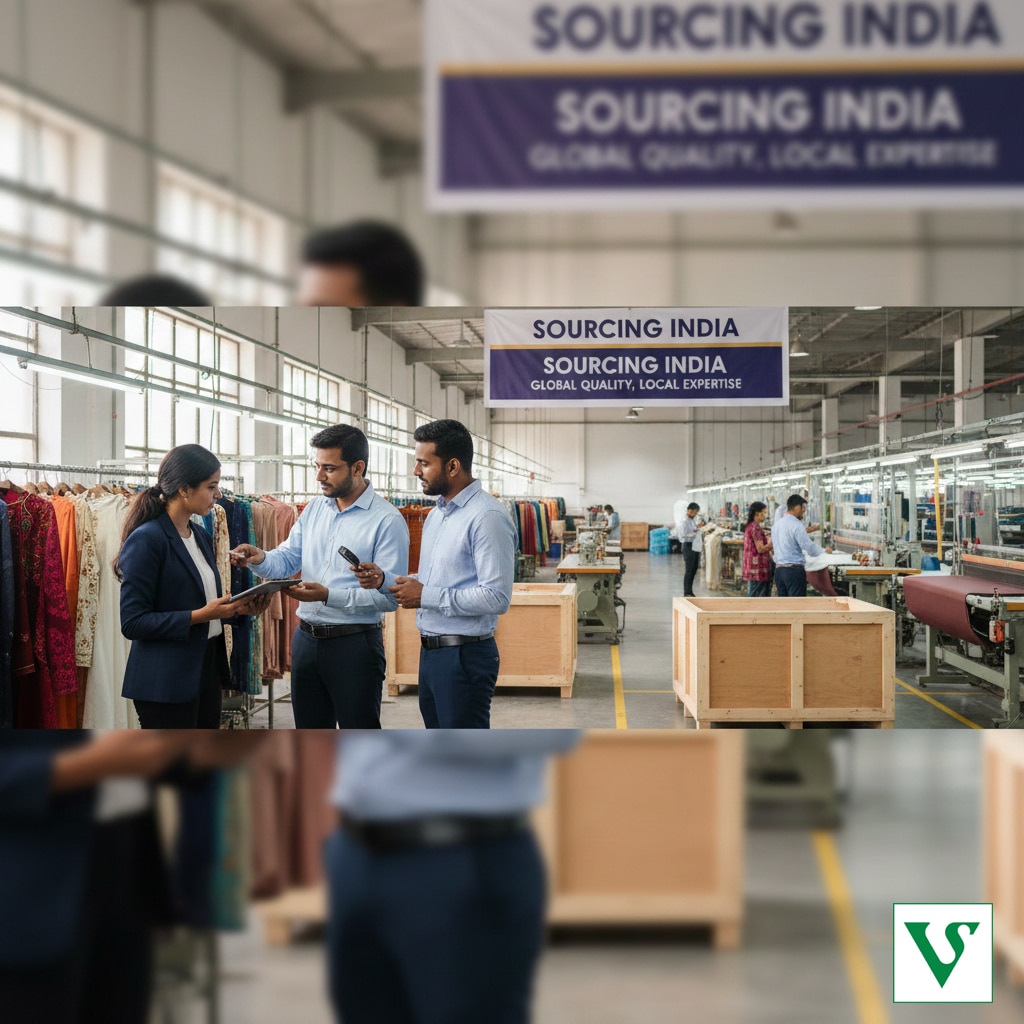
As a D2C brand grows, founders often decide whether to manage factories directly or work with a local sourcing agent. Neither model is automatically right for every business. Direct sourcing can provide close commercial control, while a sourcing partner may add value when the buyer needs local supplier discovery, technical coordination, factory follow-up or inspection support. The right model depends on product complexity, order volume, internal experience and the cost of managing execution.
What direct factory sourcing involves
When buying directly, the brand’s team identifies suppliers, requests quotations, reviews samples, negotiates commercial terms, issues purchase orders, follows production and coordinates quality and shipping. This can work well when the business has enough sourcing expertise, language and time-zone coverage, supplier knowledge and operational capacity.
Direct sourcing still carries internal costs: travel, supplier research, sample courier, staff time, quality visits, documentation, issue resolution and the management of multiple factories. These costs should be considered when comparing the models.
What a sourcing agent can contribute
A sourcing agent may support supplier identification, factory capability review, quotation coordination, sampling, communication, production monitoring and inspection planning. An effective partner should explain exactly what is included, what is not included, how fees are calculated and where the buyer retains decision-making responsibility.
Compare the two operating models
- Supplier access: Does your team already know qualified factories in the target category?
- Technical capability: Can you review materials, samples, construction and production risks internally?
- On-ground coverage: Can your team visit factories and resolve issues locally?
- Cost: Compare agent fees with the internal cost of sourcing, travel, inspection and supplier management.
- Control: Who approves suppliers, prices, samples, production changes and shipment release?
- Transparency: Are supplier identities, quotations, inspection reports and communication accessible to the buyer?
Understand the fee model and conflicts of interest
Before appointing a sourcing agent, request a written scope, service-fee structure, deliverables, expense policy and conflict-of-interest disclosure. Clarify whether the agent receives any supplier commission or rebate, whether the buyer sees the original factory quotation and who pays suppliers. Transparent commercial arrangements help align incentives and reduce ambiguity.
When a hybrid model may work
Some D2C brands retain direct control over strategic suppliers but use a local partner for selected product categories, new supplier searches, factory audits or quality follow-up. A hybrid model can provide flexibility without requiring the brand to build a full sourcing office immediately. It should still have one clear owner for each decision and milestone.
Questions to ask before appointing a sourcing partner
- Which product categories and manufacturing processes do you understand?
- How are potential suppliers identified and qualified?
- What deliverables will be provided at each stage?
- How are fees, expenses and any supplier-side payments disclosed?
- Who owns the supplier relationship and makes final purchasing decisions?
- How are quality issues, delays and disputes escalated?
The best model is the one that gives the brand appropriate control and visibility at a commercially sensible cost. Vanguard Sourcing supports international buyers with supplier identification, product development, merchandising, production coordination and quality follow-up in India.
Planning a new product or supplier programme? Vanguard Sourcing supports D2C brands, retailers and importers with supplier identification, product development, merchandising, production coordination and quality follow-up in India. Discuss your sourcing requirement or review our India sourcing support.
Related sourcing guides: If you are comparing operating models, continue with manufacturer vetting in India, D2C sourcing strategy across Asia, and how Vanguard Sourcing works.